Career
Job Interview Checklist for 2026: 50+ Things to Do Before, During, and After
Fifty things to do before, during and after a U.S. interview — research, STAR stories, video-call checks, follow-up, and the red flags to avoid.
Your resume and cover letter got you the interview. The interview itself is where the offer gets decided, and most of what decides it happened before you logged on.
Before You Start
- Two or three days out: research the company, the role and the person you are meeting.
- The day before: test the equipment, the route and the outfit.
- The hour before: read your own resume once, then stop preparing.
Short on time? Four things carry most of the weight: company research, your STAR stories, the common questions, and the thank-you email inside a day.
1. Before the Interview: Company & Role Research
- What the company actually sells, in your own words. Not the mission statement, the business.
- The last six months of company news: funding, launches, a new market, a round of layoffs.
- Their mission and values read properly, so you can tell the difference between what they say and what they do.
- What the role is responsible for, beyond the bullets in the posting.
- Which team it sits in, and who that team reports to.
- The interviewer's name and title, if the invitation gave you one.
- Their background on LinkedIn, read. Two minutes turns a stranger into a person.
- An answer to "why here?" that is about them and not about needing a job.
- An answer to "why you?" that is about the work and not about your ambition.
- Three to five questions of your own, at least one of which you could not have asked before reading the posting.
- The format confirmed: phone, video, in person, panel or a full day of rounds.
- Time, time zone, address or link, written down twice.
- Camera, microphone and connection tested on the actual software, not a similar one.
- Printed copies of the resume and any portfolio pieces, even for a video call.
- The job description printed, with the requirements you plan to answer marked on it.
- Every line of your own resume reviewed, because they will pick one at random.
- A one-line explanation ready for any gap or career change.
- A salary range you would accept, decided before anyone asks.
- The dress code checked, and the outfit ready the night before rather than that morning.
- The route planned, or the login time set ten minutes early.
2. Before the Interview: Common Question Preparation
- "Tell me about yourself" in sixty to ninety seconds, ending somewhere relevant to this job.
- "Why do you want to work here?" answered with something they did, specifically.
- "Why are you leaving?" answered without a single complaint in it.
- "What are your strengths?" backed by an example each, not a list of adjectives.
- "What is your biggest weakness?" answered honestly, with what you did about it.
- A challenge story ready in STAR shape: situation, task, action, result.
- A teamwork story, with a specific team and a specific friction in it.
- A failure story. Everyone has one; the question is whether yours is real.
- "Where do you see yourself in five years?" answered so that this role plausibly serves it.
- "Why should we hire you?" in two sentences, with nothing you could not defend.
- Questions ready for "do you have any questions for us?" — always.
- Three to five STAR stories, between them covering leadership, conflict, failure, success and teamwork.
- Answers practised out loud, which is a different act from thinking them.
- A mock interview done with someone who will be honest with you.
- Behavioural answers tied to examples rather than to principles.
- Technical or case rounds prepared for, if this role has them.
- A salary answer prepared for, because it will come.
- Logistics answered: start date, relocation, visa, notice period.
- Key points remembered rather than memorised. A scripted answer is audible.
- A closing statement ready. One sentence, saved for the end, restating what you want.
3. During the Interview: First Impressions
- Arrive or log in ten to fifteen minutes early. Not thirty.
- Phone silenced, notifications off, laptop notifications off.
- Dressed for their culture rather than for yours.
- Eye contact kept. With a camera, that means the lens rather than the face on screen.
- A greeting that uses their name.
- A handshake with some grip to it, for anything in person.
- Seated after they sit or offer. Follow their lead on the room.
- Sitting up, both feet down.
- Body language open, hands visible.
- Nervous habits noticed and stopped: leg shaking, pen clicking, touching your face.
- Speaking at a pace that lets them take notes.
- Filler words cut down. Everyone has some; the goal is fewer.
- Listening properly rather than waiting for your turn to talk.
- A pause before answering. Two seconds reads as thought, not as stalling.
- Specific examples for each question rather than general practice.
- STAR used to structure the longer answers.
- Results and numbers brought out, since they are what gets remembered.
- Your experience connected to the requirements they listed.
- Enthusiasm shown in the answers, not only in the closing.
- Nothing negative said about a previous employer, however deserved.
- Personal information kept to what is relevant to the job.
- Salary left alone unless they raise it first.
- Your prepared questions asked before the end.
- Thanks given at the end, by name.
- Next steps and timeline asked about, in plain words.
4. During the Interview: Video Interview Special Checks
- A quiet room, lit from the front, with a background you would be happy for them to study.
- Camera, microphone and internet tested before the call rather than during it.
- A display name that is your real name, not the laptop's model number.
- Eyes on the lens rather than on yourself in the corner of the screen.
- Every notification and every unrelated app closed.
- A phone hotspot or a second connection ready, in case the first one drops.
- Fully dressed. Half-dressed is a risk with no upside.
- The same professionalism as an in-person interview, because it is the same interview.
- No phone in hand, no typing while they talk.
- In the waiting room five minutes early.
5. After the Interview: Follow-Up & Thank-You
- A thank-you email within twenty-four hours. Same day is better.
- One email per interviewer, not one email to a group.
- Something specific from the conversation in it, so it could only have come from yours.
- Short, professional, and spell-checked.
- Your interest restated in a sentence.
- Anything you promised during the interview, attached.
- Names and job titles checked against the invitation, letter by letter.
- Your notes and questions kept, for the next round.
- The key facts from the interview written down while they are fresh.
- An honest note on what you would do differently.
- The timeline they gave you, written somewhere you will see it.
- A polite follow-up sent if that timeline passes.
- No chasing before the timeline. Impatience is visible in an inbox.
- Other applications continued. One interview is not a search.
- Second-round preparation started, on the assumption there will be one.
- Your bottom line and your ideal number decided for the negotiation.
- Your criteria for accepting or declining written down, before you are excited.
- Your LinkedIn profile kept current.
- Any referrer thanked.
- One thing noted from every interview, so the tenth goes better than the first.
6. Red Flags to Avoid
- Arriving late, or arriving thirty minutes early
- Dressing for your own office rather than theirs
- Complaining about a previous employer
- "I don't have any questions"
- Answers so short they need a follow-up, or so long they need interrupting
- Inventing experience
- A phone that lights up mid-answer
- Slang the room does not use
- Visible indifference to the role
- Raising salary before they do
- Talking over the interviewer
- Forgetting the interviewer's name halfway through
- Skipping the thank-you email
- A typo in the thank-you email
- Quitting the search after one rejection
7. Final Check
- The company, the role and the interviewer researched.
- Common questions and STAR stories prepared.
- Questions of your own prepared.
- Equipment, route and outfit tested.
- Composed, clear and friendly in the room.
- Thank-you email sent inside a day.
- What you would change next time written down.
- Search still running. Nothing is waiting on one result.
- Ready for the next round, or for the negotiation.
- Better than last time. That is the only measure that compounds.
What To Do With This
An interview is a conversation with a purpose, not an exam, and the preparation is what lets you treat it that way. The person who has already thought about the answers is the one who can afford to listen properly.
Run the list again after each interview, while you still remember what you said. The tenth one goes better than the first, and not by accident.
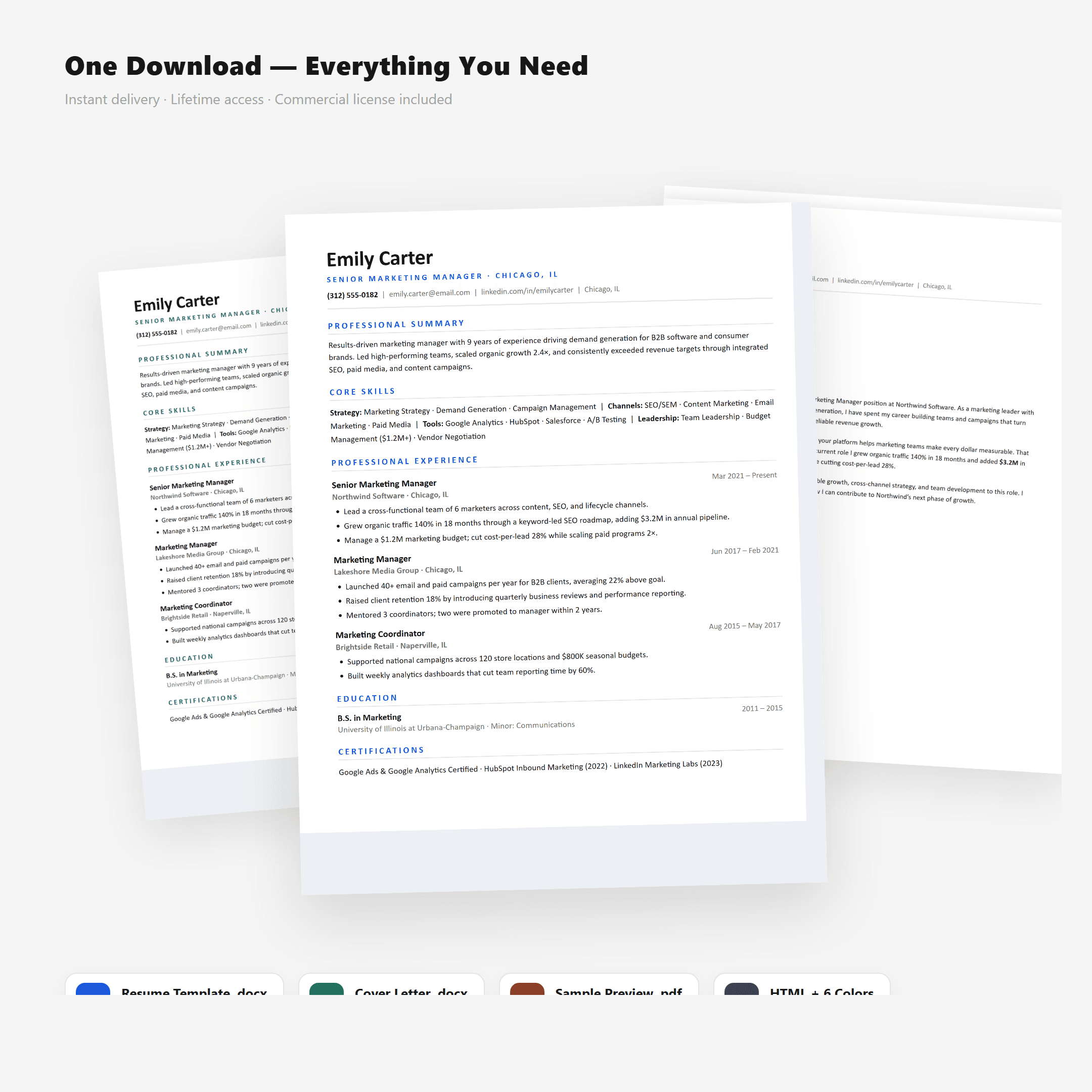
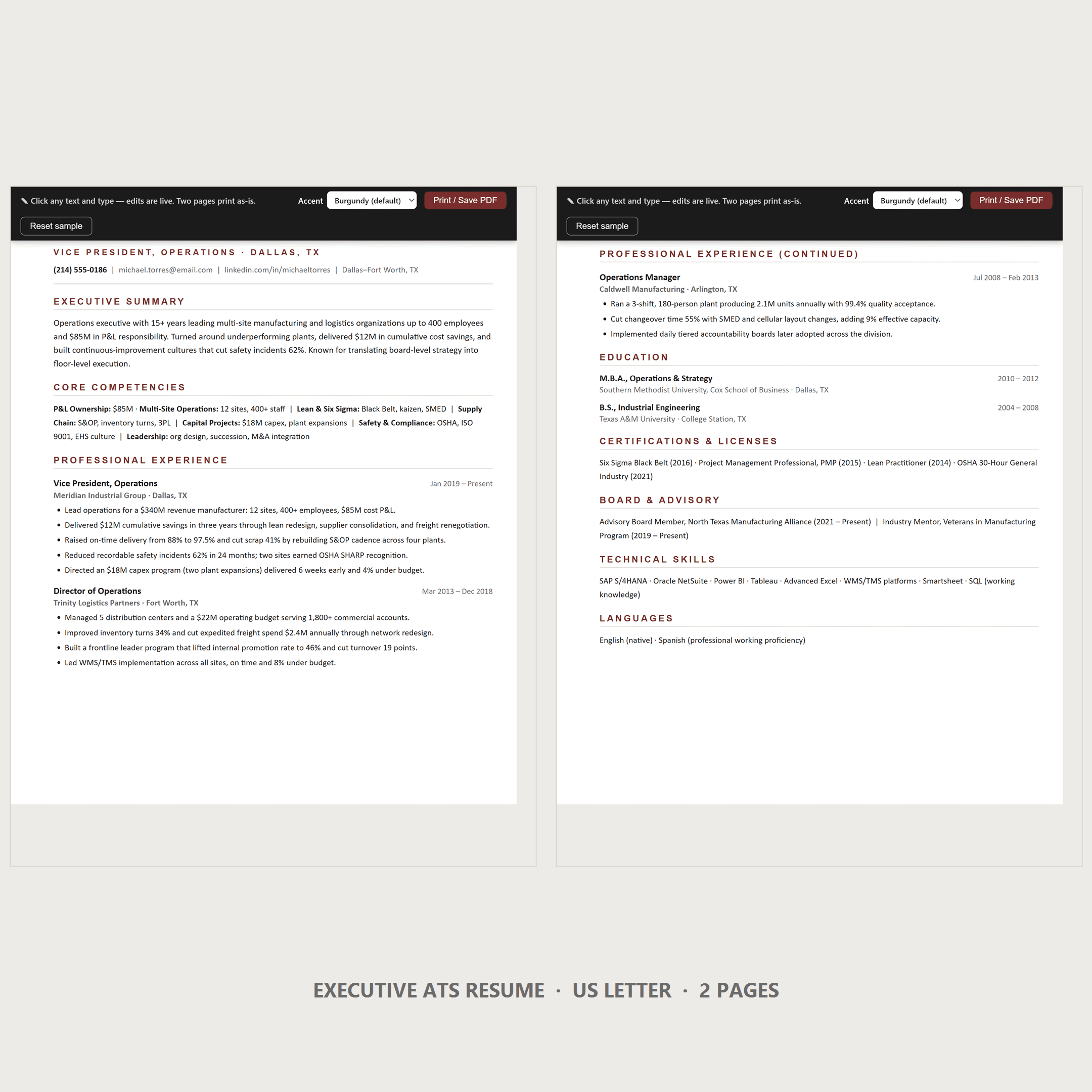
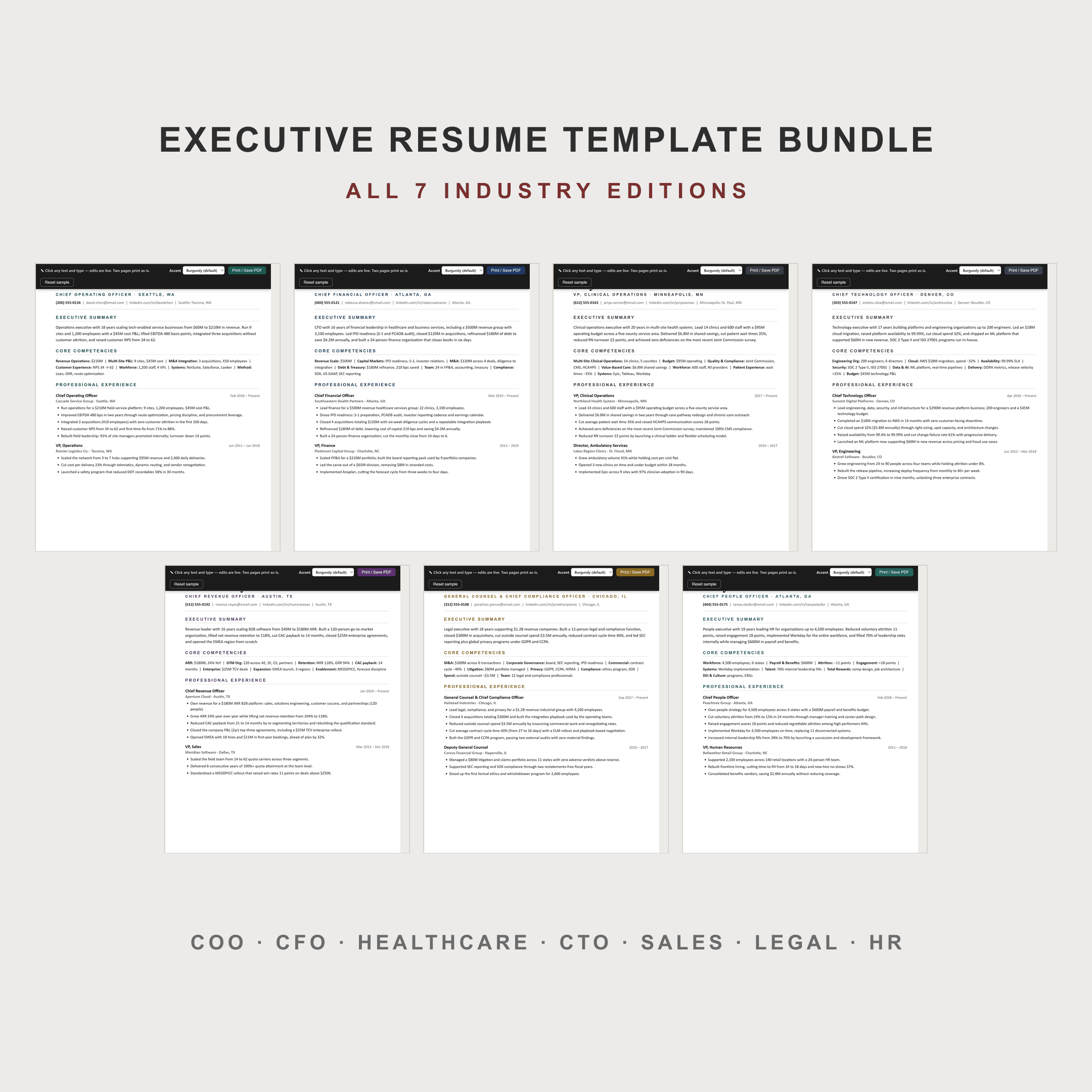
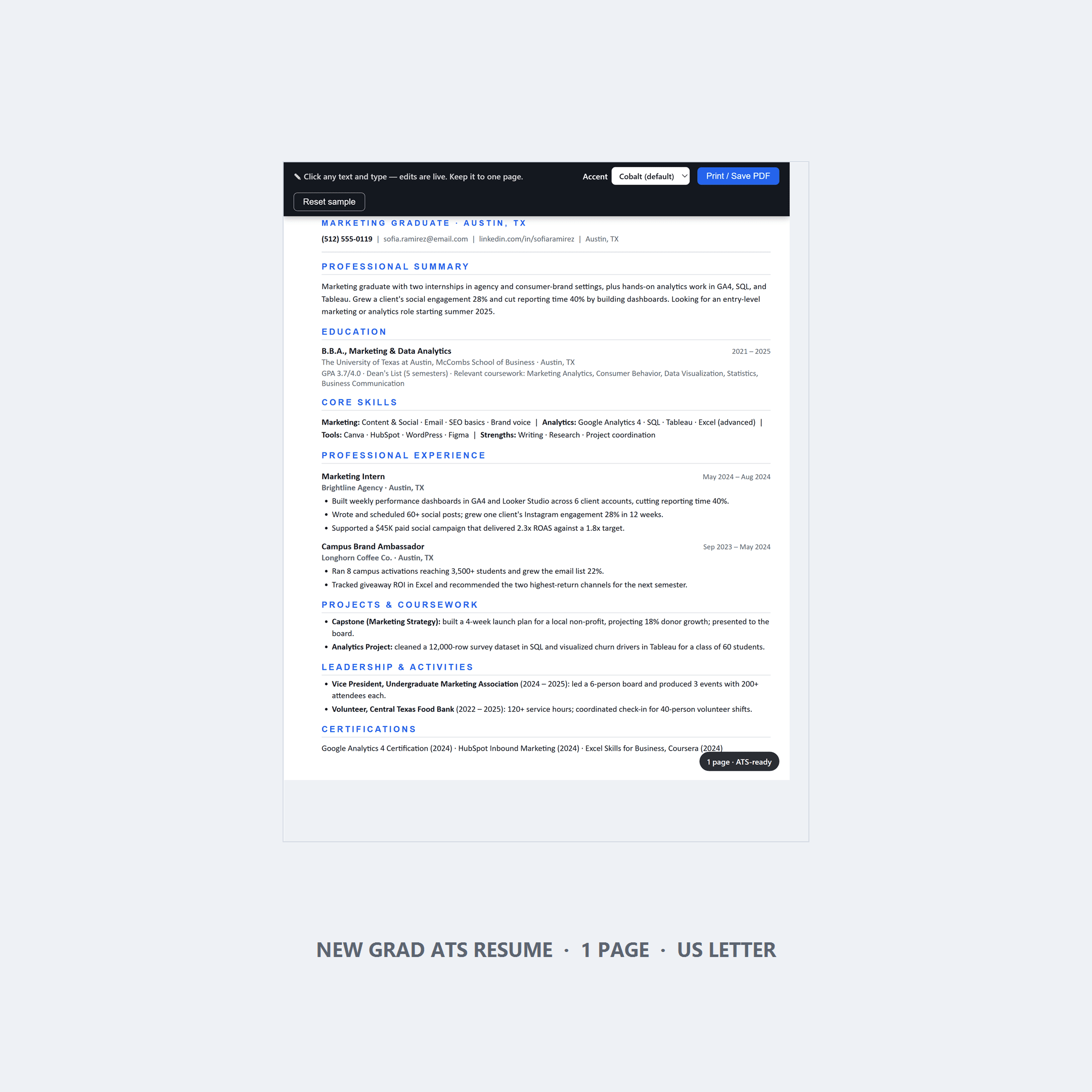
Need a clean, ATS-friendly resume to help you land more interviews? The Minimal ATS Resume Template is the one-page version, the New Grad template is built for students and first jobs, and the Executive template is the two-page format for director level and up.
Before this one: the resume checklist and the cover letter checklist. If you are early in your career, the new grad job search guide covers the whole process end to end.
KEEP READING
How to Get Your First Job After College Without Losing Your Mind
A funny, actually useful U.S. job search guide for new grads: the resume robot, LinkedIn, referrals, interviews, and a 30-day plan.
How to Display Kids' Art Without Losing Your Mind
The pile of kids’ art is not a storage problem, it is a decision problem. One test for what goes on the wall, and a rotation that takes fifteen minutes.
The Wall Behind Your Desk Is the Only Part of Your House Your Coworkers See
The wall behind your desk is the only part of your house your coworkers see. Four rules, three layouts, and the webcam mistakes that make it worse.
The Frame Shop Quoted Me $180 for One Photo. Here's What I Did Instead.
Custom framing costs $180 a photo — which is why the wall stays empty. How to print your own frame mats and hang a family photo wall in one weekend.
Cover Letter Checklist for 2026: 40+ Checks Before You Hit Submit
Forty checks for the letter most people skip — opening, body, closing, tailoring, formatting, and the red flags that make a letter read like a template.
SHOP THE LOOK
Who we are — the studio, and the reason it exists.
Stay in the loop
New products and the occasional free sample, now and then.